
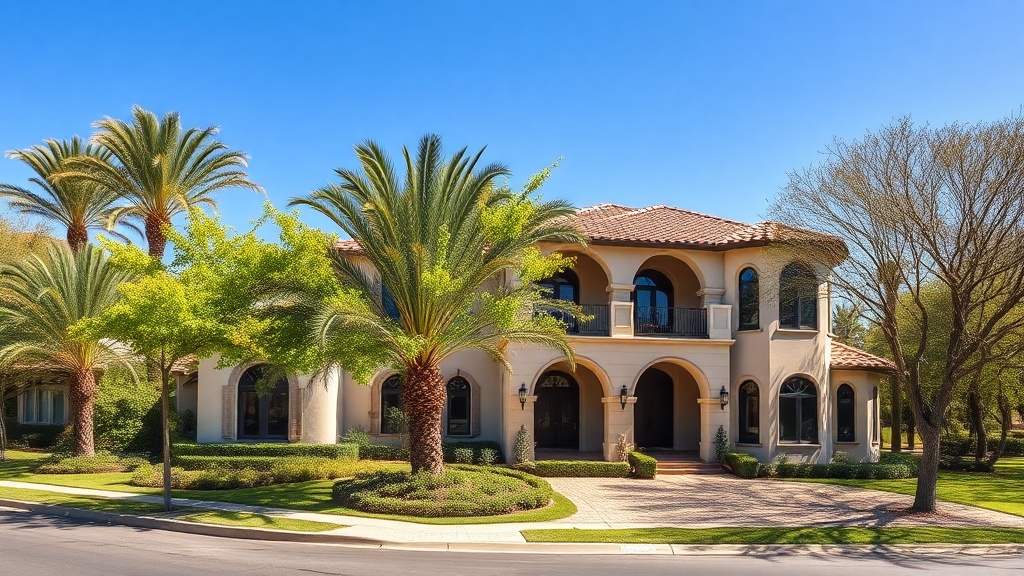
DSCR Loans for Senior Housing: Aging Boomer Demand
Senior housing is a real demand story, but it is not a shortcut around underwriting. Millions of older Americans want housing that is safer, easier to maintain, closer to care, or designed around aging in place. Investors see that demand and naturally ask whether a DSCR loan can finance the opportunity.
The honest answer is: sometimes, but only when the property and income stream fit the DSCR lender's box. A regular 1-4 unit rental that happens to serve older tenants is very different from a licensed assisted-living facility, memory-care home, or large senior-housing campus. Treating all of those as the same "senior housing" deal is how investors waste time with the wrong lender.
Quick Answer
A DSCR loan can work for senior-oriented rental housing when the collateral is still a residential investment property and the rent can be supported by leases or market rent. Think single-family homes, duplexes, small multifamily, accessory-dwelling-unit strategies, or age-friendly long-term rentals.
Share your information to request current HELOC options. Eligibility and terms vary.
A DSCR loan is less likely to fit if the deal depends on operating a licensed care business, charging service fees, relying on Medicaid/private-pay care revenue, or financing a commercial facility. Those properties usually need commercial senior-housing finance, SBA-style business financing, agency multifamily debt, bank portfolio loans, or private credit.
Why Aging Boomer Demand Matters
Baby boomers are pushing every part of the housing market to adapt. Many want to downsize without losing independence. Adult children want safe housing for parents close to family. Local markets need more accessible single-level rentals, homes with fewer stairs, walk-in showers, wider pathways, better lighting, and predictable monthly costs.
For a rental investor, that demand can support lower vacancy and longer tenancy when the property is designed well. Older tenants often value stability more than novelty. A clean, quiet, well-maintained home near healthcare, groceries, church, transit, and family can be more attractive than a flashy renovation with no practical accessibility.
But demand alone does not qualify a loan. Lenders qualify the property by rent, expenses, value, title, insurance, borrower credit, and reserves.
DSCR Basics for Senior-Oriented Rentals
DSCR stands for debt service coverage ratio. The formula is simple:
DSCR = monthly rental income / monthly PITIA
PITIA means principal, interest, taxes, insurance, and association dues. If a property rents for $2,800/month and PITIA is $2,240/month, the DSCR is 1.25.
Most investor DSCR lenders want something around 1.00 to 1.25+, depending on credit score, property type, leverage, and rate. A stronger DSCR can improve approval odds and pricing. A weak DSCR may require more down payment, a lower loan amount, a better rate, or a different property.
Where Vanilla DSCR Usually Does Not Fit
Licensed assisted living or care homes
If residents pay for meals, medication support, bathing assistance, memory care, transportation, or other services, the property may be part real estate and part operating business. That changes the risk profile completely.
The lender may need to underwrite business revenue, licenses, staffing, liability insurance, state inspections, operator experience, and care-related regulations. A normal residential DSCR lender may decline even if the gross revenue looks strong.
Large senior housing facilities
Independent living, assisted living, memory care, and skilled nursing properties are usually commercial or agency-financed assets. Commercial lenders may still care about DSCR, but they calculate it using net operating income rather than a simple residential rent schedule.
That is a different loan conversation: trailing financials, rent rolls, occupancy, payroll, operating margins, replacement reserves, management experience, and regulatory risk.
Properties relying on service fees
If the base rent alone does not support the mortgage and the deal only works after adding service packages, meal plans, care fees, or reimbursement revenue, do not assume a residential DSCR lender will count that income. Many will not.
A Practical DSCR Example
Suppose an investor buys a one-story home for $360,000 with 25% down. The loan amount is $270,000. At an 8.25% investor rate on a 30-year amortization, principal and interest are roughly $2,030/month. Add taxes of $360, insurance of $170, and no HOA, and PITIA is about $2,560/month.
If supported market rent is $2,900/month, DSCR is:
$2,900 / $2,560 = 1.13
That may be financeable, but it is not a premium file. If the investor negotiates the purchase price down to $335,000, the 75% loan becomes $251,250 and principal and interest fall to about $1,889/month. With the same taxes and insurance, PITIA is about $2,419/month, and DSCR improves to 1.20.
That is the lever investors should focus on: price, leverage, rent support, insurance, taxes, and reserves.
Senior Housing Underwriting Checklist
Before you apply, collect the documents that make the loan file concrete:
- Current lease or appraiser-supported market rent schedule
- Property tax estimate based on the likely post-purchase value
- Landlord insurance quote, including liability coverage
- HOA documents and rental restrictions if applicable
- Evidence that the property is legal for its current unit count and use
- Contractor estimate for accessibility upgrades if repairs are planned
- Six to twelve months of reserves after closing
- Entity documents if buying through an LLC
For licensed or service-heavy senior housing, add a second checklist:
- State or local licensing requirements
- Operator resume and management plan
- Staffing model and payroll assumptions
- Liability and professional insurance quotes
- Trailing revenue and expense statements if acquiring an existing facility
- Occupancy history and resident agreements
- Regulatory inspection history
If that second list matters, you are probably outside a simple residential DSCR loan.
Property Features That Can Improve Demand
- Single-level layout or first-floor primary bedroom
- Minimal stairs at entry points
- Walk-in shower or low-threshold shower
- Good exterior lighting and safe walkways
- Wider interior pathways where feasible
- Easy parking close to the entrance
- Quiet location near healthcare, groceries, parks, and family neighborhoods
- Low-maintenance flooring and landscaping
- Reliable heating, cooling, and plumbing
These features can reduce turnover and make the property easier to market, but they should be budgeted realistically. Accessibility improvements are not free, and over-improving a rental can hurt returns.
Risks Investors Underestimate
Insurance and liability
Older tenants do not automatically create higher risk, but accessibility, falls, and care-adjacent use can raise insurance questions. If the property begins to look like a care facility, a standard landlord policy may not be enough.
Regulatory lines
Renting a home to older adults is one thing. Advertising care, assistance, supervision, medication help, or meals can cross regulatory lines. Investors should talk to local counsel before marketing anything that sounds like assisted living.
Appraisal rent support
Your pro forma may assume premium rent because the home is senior-friendly. The appraiser may use ordinary residential comps. If the rent schedule comes in lower than expected, DSCR falls.
Exit risk
A highly specialized property may be harder to sell or refinance. Keep the layout flexible enough that it appeals to normal renters or buyers if the senior-oriented strategy changes.
Lender Questions to Ask
Do not ask only for the rate. Ask policy questions first:
- Do you finance this property as a residential DSCR loan or commercial loan?
- Will you count actual lease income, appraised market rent, or the lower of the two?
- Do you allow furnished, mid-term, or room-by-room rental income?
- Do you finance properties with accessibility modifications?
- Do you allow licensed care homes or only standard rentals?
- What DSCR minimum applies at my credit score and LTV?
- How many months of reserves are required?
- Can title be held in an LLC?
- Are there prepayment penalties?
- What issue most commonly kills senior-housing files in underwriting?
When to Use HonestCasa
Use HonestCasa's DSCR loan resources when the property is a residential investment rental and the question is whether rent supports the mortgage. Use the DSCR formula, compare lender overlays, and stress-test taxes, insurance, vacancy, and repair costs.
If the project is a licensed facility or care business, use HonestCasa to understand the real-estate math, but expect to speak with commercial senior-housing lenders as well. The right financing path depends on whether you are buying a rental property, an operating company, or both.
Senior Housing Deal Screen: Pass, Pause, or Walk Away
Use a simple screen before you spend money on an appraisal or inspection.
Pass when the property is legally residential, the rent schedule supports at least a 1.20 DSCR, insurance is confirmed, accessibility improvements are modest, and the exit would still work for ordinary renters.
Pause when the deal depends on premium rent, the city has unclear rental rules, the property needs major accessibility renovation, or the lender has not confirmed whether the income type is allowed. Pausing does not mean the deal is bad. It means your assumptions are doing too much work.
Walk away when the numbers only work with care-service revenue, the property needs a license you do not have, insurance is unavailable, or the seller cannot document occupancy and income. Senior demand will not rescue a file that fails basic underwriting.
Internal-Link Next Steps for Investors
If this page is being used as the entry point for a senior-housing search, the next clicks should be practical. Compare the core DSCR loan guide for baseline requirements, review DSCR loan appraisal risk before assuming premium rent, and use HELOC options if the down payment may come from home equity. Those links match the actual decision path: qualify the property, verify the value and rent, then decide how to source capital.
Offer Worksheet for a Senior-Friendly Rental
Before making an offer, put the deal into a one-page worksheet. Start with the purchase price, down payment, loan amount, quoted rate, taxes, insurance, HOA, and expected rent. Then add three separate lines for repairs: required safety repairs, accessibility upgrades, and ordinary turnover costs. Many investors underwrite only the mortgage payment and forget the first six months of real ownership.
Next, write the tenant strategy in plain English. Is this a long-term unfurnished rental, a furnished mid-term rental, a multigenerational layout, or a property near a hospital system? The answer changes rent comps, vacancy assumptions, furnishing budget, insurance questions, and management workload.
Finally, create a fallback plan. If the senior-focused strategy takes longer than expected, can the property rent normally at a DSCR that still works? If the answer is no, the deal is more speculative than a lender quote may make it sound.
FAQ
Can I use a DSCR loan for assisted living?
Sometimes, but many residential DSCR lenders will not finance licensed assisted-living operations. If the income depends on care services rather than rent, expect commercial underwriting.
Can I rent a DSCR-financed property to seniors?
Yes. DSCR loans are for investment properties. The tenant's age is not the issue. The issue is whether the property is a normal legal rental and whether rent supports the payment.
Do accessibility upgrades help DSCR?
Only if they support rent, occupancy, or long-term value. A lender still calculates DSCR from rent and PITIA, not from the fact that a home has grab bars or a walk-in shower.
What DSCR should I target?
Aim for 1.20 to 1.25+ if possible. A lower ratio may still close with some lenders, but it leaves less room for taxes, insurance, repairs, and vacancy.
What is the biggest mistake in senior-housing investing?
The biggest mistake is confusing real estate rent with operating-business revenue. If the deal only works because of care fees, meal plans, or staffing assumptions, it needs a lender that understands senior-housing operations, not just a residential DSCR quote.
Explore Home Equity Options
Explore home equity options based on the information you provide. A lender determines eligibility and terms.
Explore HELOC OptionsSubmitting this form requests information; it is not a loan approval or offer.